Data Center Sensors
Industrial wired and wireless sensors for temperature, humidity, pressure, leak, particulate and light. Small enough to fit where the reading actually needs taking, and accurate enough to act on. Every one of them lands in the same normalised data model through POD-A1.
Instrumented Is Not the Same as Measured
Most facilities already have sensors. What they usually do not have is one honest picture of what those sensors are saying.
A Silo Per Vendor
The CRAC unit knows its return temperature. The PDU knows its load. The leak panel knows its zones. None of them tell each other, and each comes with its own console and its own idea of what a timestamp is.
Blind Spots
Coverage tends to follow whatever equipment was bought, not where heat and water actually go. Rack inlets, sub-floor voids, containment aisles and water circuits are routinely the least instrumented parts of a hall.
Networks That Say No
Security teams will not put unmanaged devices on the corporate network, and they are right not to. The sensing estate can run entirely air-gapped on its own network, with POD-A1 as the only crossing point.
Wired Sensors
High-reliability wired sensors for permanent installations in mission-critical environments.
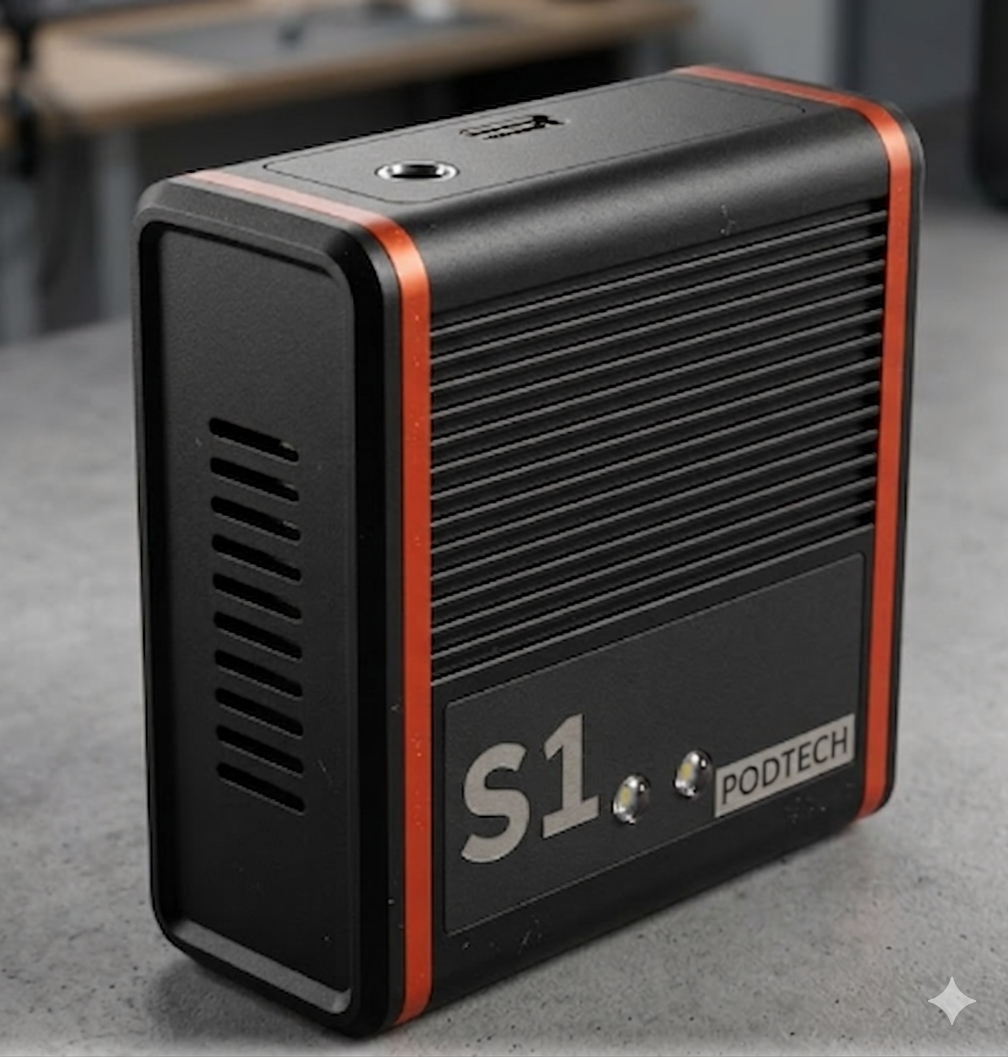
Small, Mountable, Non-Intrusive - All Sensor Types
Temperature & Humidity Sensor
Precision environmental monitoring for data halls and storage areas.
Pressure Sensor
Monitor differential pressure for containment and climate-controlled zones.
Water Detection Sensor
Early leak detection to protect equipment from water damage.
Water Temperature Sensor
Precision water temperature monitoring for chiller circuits and liquid cooling.
Rack Fan Controller
Individual fan control for high-density racks, ramping to a fan and temperature curve. The one device in this range that acts rather than only measures — it drives fans on its own 48VDC bus, not anything in your building systems.
Wireless Sensors — Zigbee Mesh Network
Flexible deployment with long battery life and self-healing mesh networking. Up to 200 nodes per gateway with 10-second reporting intervals.
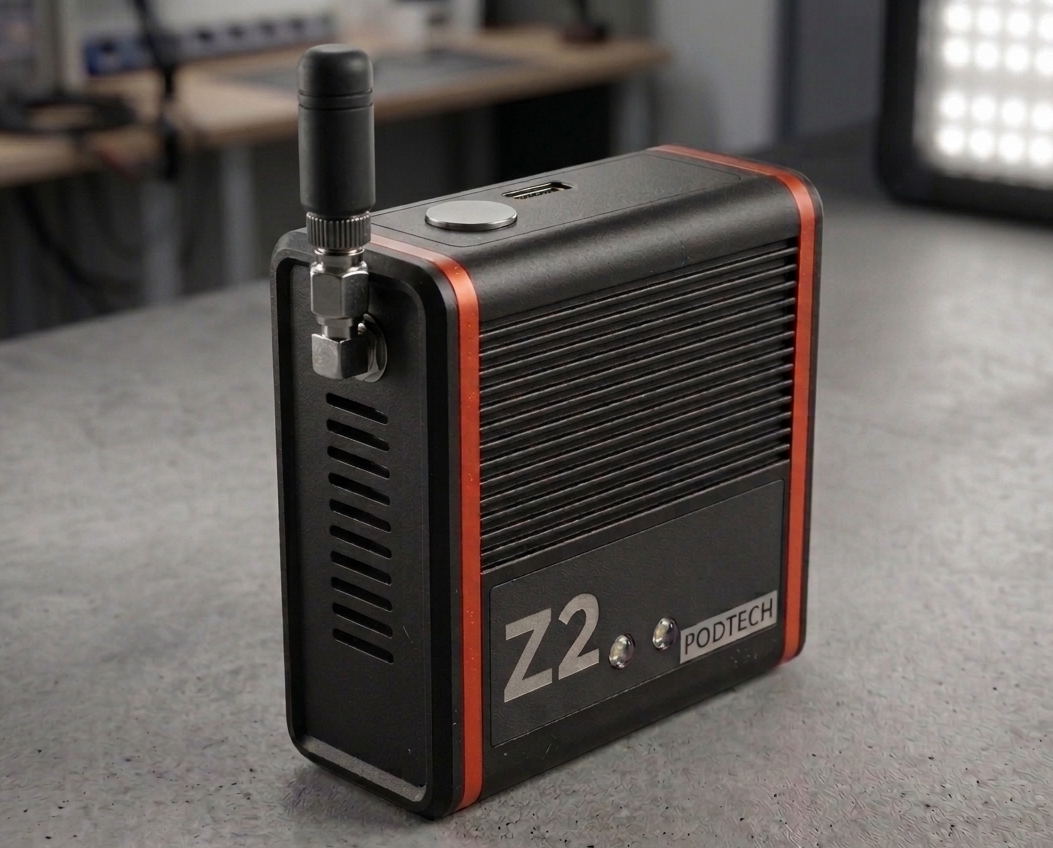
POD-Z2 Zigbee Wireless Pressure Sensor
Zigbee Temperature & Humidity
Wireless environmental monitoring where running cable is not worth the disruption.
Zigbee Pressure Sensor
Differential and barometric pressure without a cable run to the containment aisle.
Zigbee Water Detection
Leak detection in sub-floor voids and plant rooms, without running cables to reach them.
Zigbee Particle Sensor
Laser-based airborne particulate monitoring (PM1.0, PM2.5, PM10).
Zigbee Light & UV Sensor
Dual-band light monitoring for visible (500–650nm) and UVA (315–400nm).
POD-Z Series — Mesh Network Specifications
Up to 200 nodes per gateway
Scalable mesh for large facilities
2–5 year battery life
Depends on reporting interval and mesh role
10-second reporting interval
Real-time environmental tracking
Up to 70,000 m² coverage
Optimised mesh topology
USB-C or battery powered
Powered nodes extend mesh range
Self-healing mesh topology
Lose a node and the rest reroute around it
Encrypted between nodes
Traffic is encrypted hop to hop across the mesh
Designed for Integration
Open Protocols
Modbus RTU/TCP, SNMP, BACnet, and analog outputs. No proprietary lock-in.
POD-A1 Compatible
Every sensor here is read by the POD-A1 controller and normalised alongside your existing plant, then presented in PODVIEW or sent wherever you want it.
Industrial Build Quality
IP-rated enclosures, extended temperature ranges, and proven MTBF in 24/7 operation.
Network Independent Deployment
Deploy non-intrusively on a separate, air-gapped network if required — no integration with existing infrastructure needed.
Calibration Certificates
NIST-traceable calibration available for compliance and audit requirements.
Start With a Site Survey
Choosing sensors before you know where the gaps are tends to produce more of what you already have. A survey works out what is worth instrumenting first. Volume discounts apply across multi-site rollouts.