PODTECH at Data Centre World Asia 2026.
you heard it here first
 ×
×
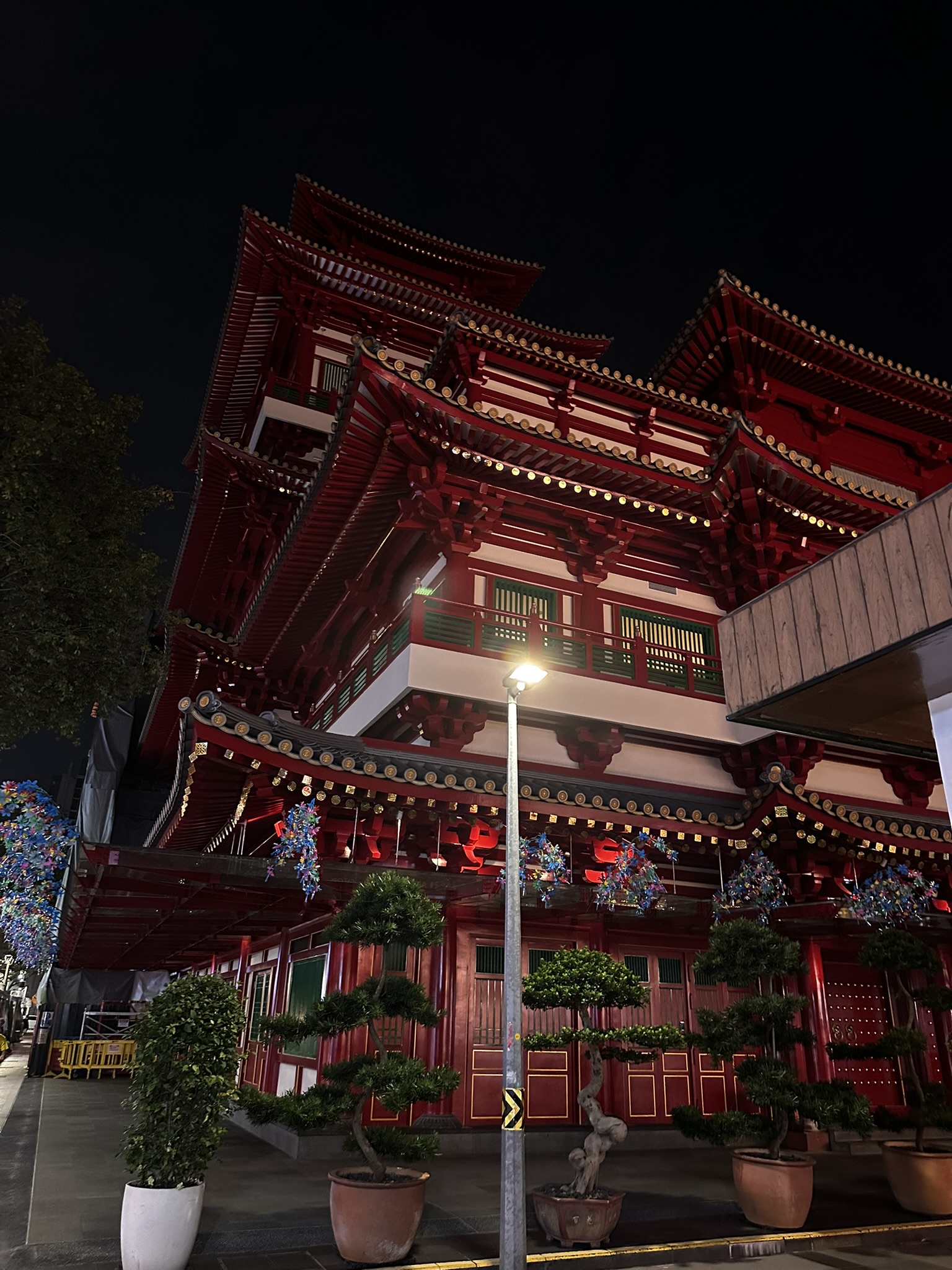
Data Centre World Asia ran on 29 and 30 September at Marina Bay Sands, Singapore. We were there alongside our partner Datalec Precision Installations (DPI), and spent two days talking to people who are trying to build AI capacity in the region faster than the grid can give them power. Here is what we took away.
The density problem, in numbers
Why every serious conversation on the floor was about liquid
Nobody asked about air cooling
Two years ago a conversation at a show like this started with “how many kW per rack can you cool?” and the honest answer for air was 20, maybe 30 if you were brave and had tight containment. This year nobody asked. The racks people are planning around are GB200 NVL72 at roughly 120kW, with H100 and H200 clusters sitting in the 70 to 100kW band. You cannot move enough air through a cabinet to carry that heat away. Not with bigger fans, not with rear doors, not with anything short of putting liquid on the chip.
The builds being planned now are speccing GB300 NVL72 racks, expected to push past 200kW per cabinet. That is not a future problem — lead times on the hardware mean those racks are being ordered today. And with Vera Rubin on NVIDIA's roadmap, each generation is adding more heat than the last. Operators who size their cooling for today's numbers will be retrofitting in three years.
So the question has shifted. It is now “where does the coolant come from, and who controls it?” That is the CDU question, and it dominated the floor.
The CDU is the new PDU
A Coolant Distribution Unit sits between the facility water loop and the racks. It isolates the two circuits, holds the secondary loop at the right pressure and temperature, filters the fluid, and pushes it out through manifolds to the cold plates bolted directly onto the GPUs and CPUs. If it stops, the chips throttle within seconds and shut down within minutes. That makes the CDU as critical to an AI hall as a PDU or a UPS, and it is still a young product category.
What has changed quickly is the engineering. The in-row and in-rack CDUs on display in Singapore are pushing well over a megawatt of cooling capacity in a single footprint, with redundant pumps, hot-swappable components and far better telemetry than we saw even twelve months ago. Flow, delta-T, pressure, conductivity, leak detection. All of it available over Modbus or SNMP, all of it something a proper monitoring and management platform needs to see.
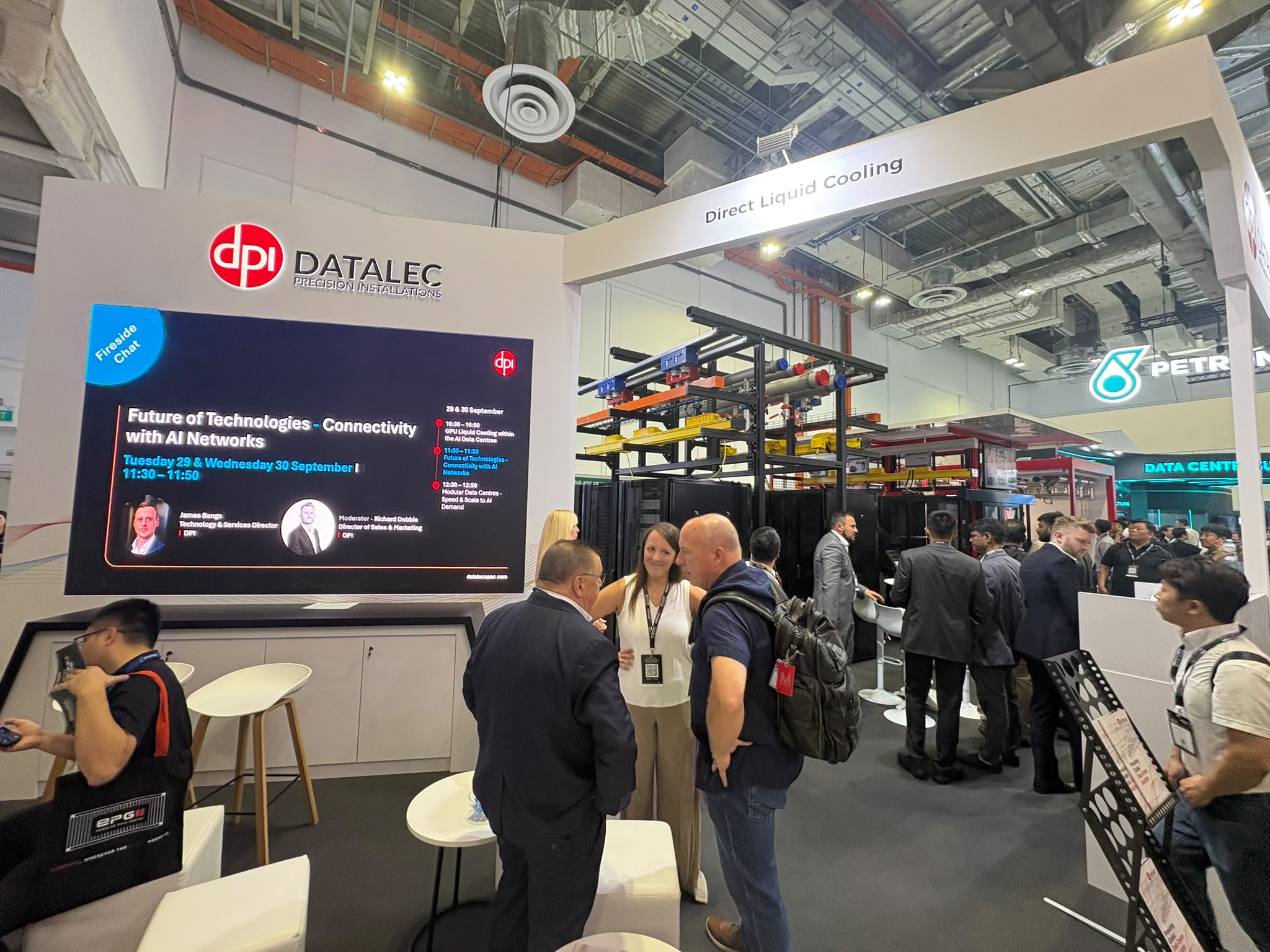
DPI had their full direct liquid cooling range on the stand, under a sign that simply said “Direct Liquid Cooling”, with the manifold and pipework left open so people could see how coolant actually reaches a cold plate. That honesty matters. A lot of liquid cooling marketing hides the plumbing. The engineers walking the floor wanted to see it.
Modular, with the plumbing designed in
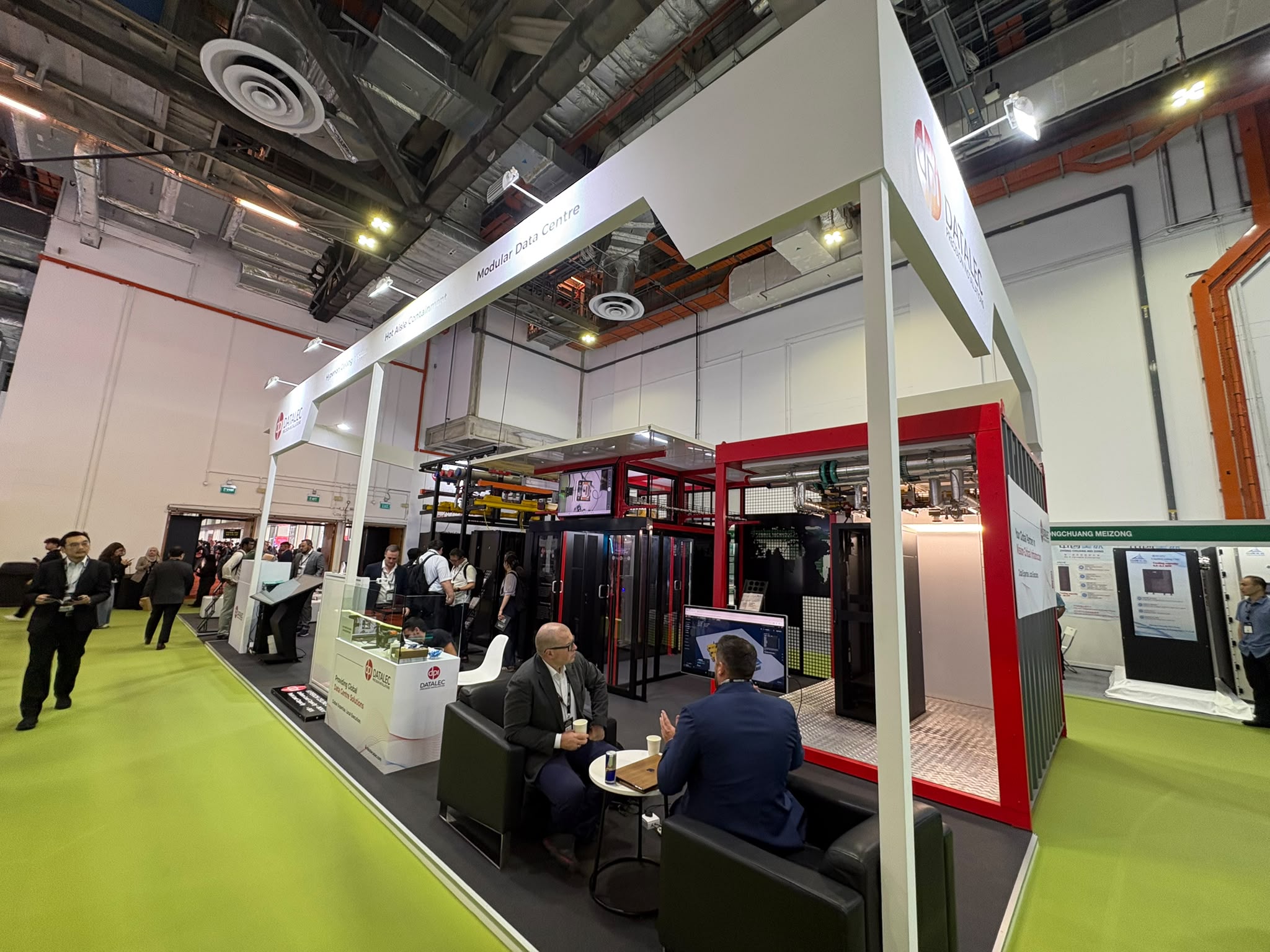
The other half of the DPI stand was a modular data centre. Pipework, pumps and CDU connections built into the structure from day one, rather than bolted onto a hall that was designed for air. We think that is the right way round. Retrofitting liquid into an existing facility is slow, disruptive and usually ends in a compromise. Designing for it from the frame up is quicker, cleaner and, for operators who need capacity in months rather than years, probably the only way to hit the dates they have promised.
DPI ran a short fireside chat on both days, “Future of Technologies: Connectivity with AI Networks”, with James Banga, their Technology and Services Director, and Richard Dobbie moderating. The point that stuck with us: an AI cluster is one large machine spread across hundreds of racks. The network, the power and the cooling have to be designed as a single system. Optimise each one in isolation and the whole thing underperforms.
The demand side is not slowing down
Singapore has been careful about new capacity since the 2019 moratorium, releasing it in tranches and tying it to efficiency. That restraint has pushed a wave of building across the causeway into Johor and further into Indonesia and the broader Southeast Asian market. Everyone we spoke to had a project in at least one of those markets. Several had projects in more than one.
The pattern is the same everywhere. Hyperscalers and the large AI labs are locking in land and grid connections first and working out the detail later, because power is the constraint and whoever has it wins. Colocation operators are chasing the same sites. The result is a lot of capacity being committed before anybody has settled the cooling design, and that is where the risk sits.
We had a steady stream of existing clients come through the stand, along with a number of operators we had not met before who are planning sizeable builds in the region. The conversations were practical: which CDU architecture suits a 20MW phase, how to monitor a liquid loop alongside everything else in the hall, and how to avoid buying a cooling system that only works with one vendor's racks.
Where PODTECH fits
On a liquid-cooled AI build that means three things: helping select a CDU and DLC architecture that fits the workload and the site, planning the deployment so cooling, power and network land together, and putting the whole thing under a monitoring and management platform that covers the liquid loop as closely as the electrical one.
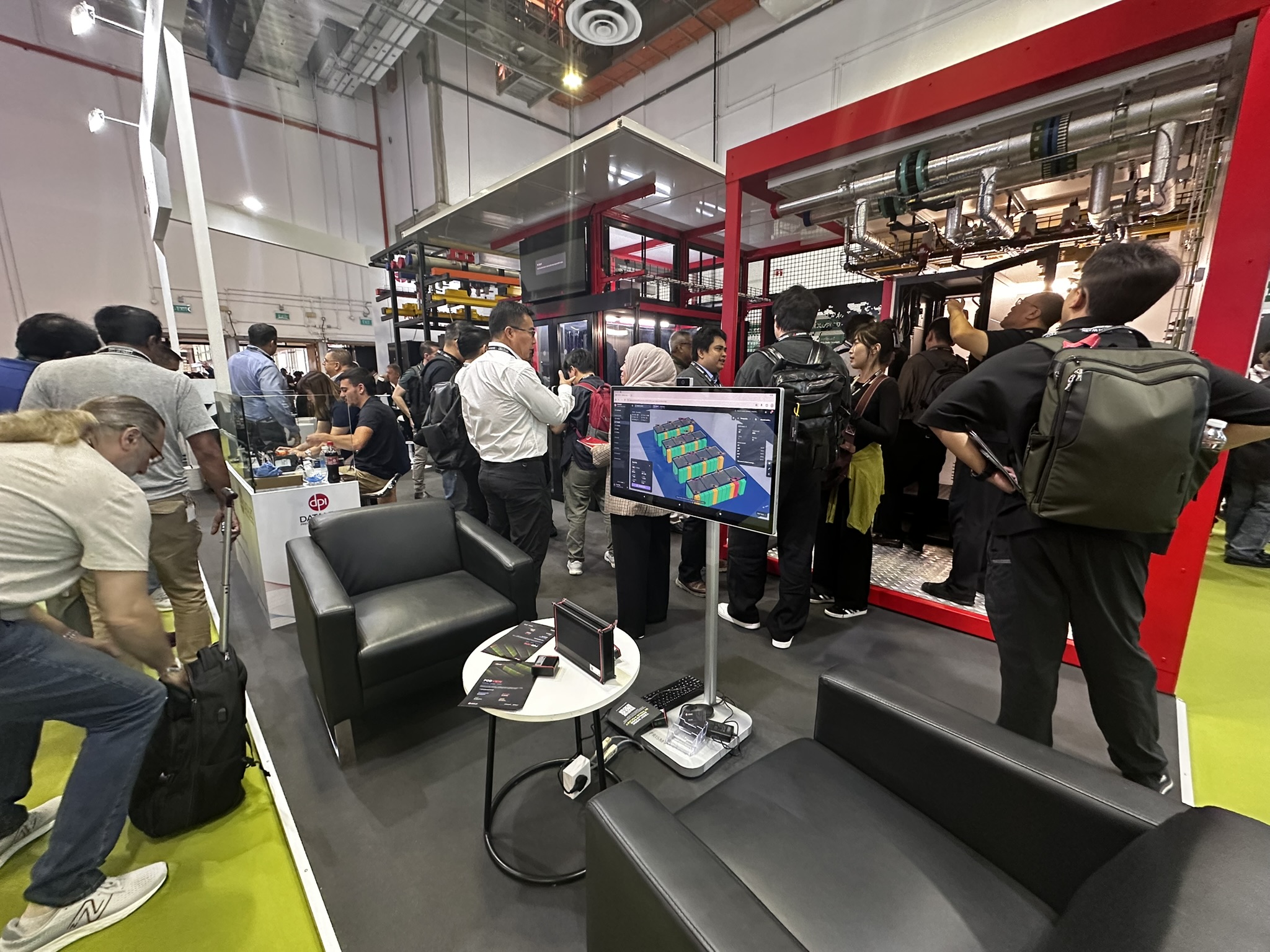
PODVIEW ran on the stand for the full two days, showing live 3D thermal views of a rack row. That is the sort of visibility operators will need when the heat is being moved by pumps rather than fans. It drew a crowd.
Thanks to DPI for hosting us, to the clients who made the trip to see us, and to the new faces we met. We will be back in Asia soon. If you are planning a build in Singapore, Malaysia or Indonesia and want a second opinion on the cooling and monitoring design before you commit, talk to us.
Planning a liquid-cooled build in APAC?
Independent CDU and DLC guidance, deployment planning, and monitoring that covers the coolant loop as closely as the power chain.
Get in Touch