Why Containment Monitoring Matters
Containment only does its job while it is actually holding. Without continuous monitoring you are guessing — and a guess is not evidence.
SLA Compliance
Colocation customers want proof the room stayed inside the contract, not a story. Spot checks and quarterly audits leave holes; continuous monitoring fills them. If there is a dispute, history is what you have.
Energy Efficiency
Containment you cannot see wastes cooling. Recirculation, bypass air and over-provisioned CRAC units push energy costs up by 15–25%. The sensors show you where it is leaking.
Early Issue Detection
A failing seal, a blocked tile or a cooling unit on the way out shows up in the data long before it takes a row down. Catch the trend and you fix it in a maintenance window, not at 3am.
Sensor Technology: Wired & Wireless
Wired Sensors
The backbone when the hall cannot afford a gap. Wired sensors keep streaming with no batteries and no radio to fade. Permanent installs, where reliability is the point.
Wireless Sensors
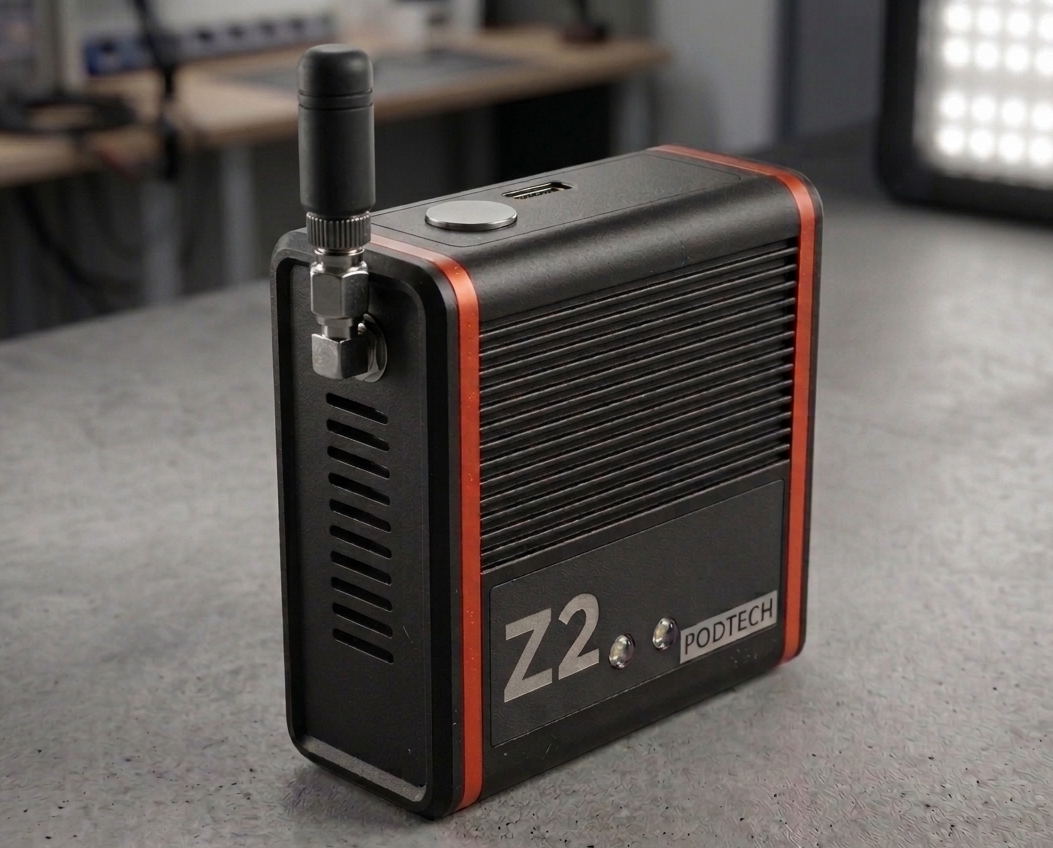
Use wireless where cable is not realistic. Battery-powered, retrofit-friendly, and configurable in minutes — coverage in a live hall without stopping the floor.
Sensor Coverage for Containment
The environmental readings that actually decide whether containment is doing its job.
Temperature
Hot and cold aisles to ±0.3°C. Catch a thermal excursion before it reaches the kit.
Humidity
Relative humidity, watched so condensation and electrostatic discharge stay off the floor. ASHRAE ranges are the bar.
Differential Pressure
Pressure across the containment barrier tells you whether airflow is still isolated — and where a breach has opened.
Particulate & Air Quality
Airborne contaminants that chew through hardware. Worth having if the hall sits near construction or industry.
Water Leak Detection
Rope and spot sensors under raised floors and around cooling plant. Millisecond alerts, because a slow leak is still a flood.
Airflow & Light Levels
Confirm air is still travelling the way the containment was designed, and keep an eye on access lighting.
Monitoring Use Cases
Cold Aisle Containment
Check that cold supply air still hits server inlets at the temperature you sold. Inlet, mid-rack and top-of-rack sensors show stratification and hot spots before the SLA is already gone.
2–5°C supply temperature variance detectionHot Aisle Containment
Exhaust has to be captured and sent back to the cooling units, not leaked into the room. Differential pressure shows whether the containment is holding; temperature arrays show whether heat is actually leaving.
Up to 30% cooling efficiency improvementRaised Floor Monitoring
Map pressure under the floor and catch water in the plenum. Blocked grilles, cable bundles and short-circuits all show up as cooling that never arrives.
Real-time plenum pressure mappingEnvironmental Compliance
Log temperature, humidity and air quality against ASHRAE, Uptime Institute and the SLA you actually signed. Automated reports, so you are not relying on a clipboard round.
99.9% continuous compliance loggingOne platform. The hall, in view.
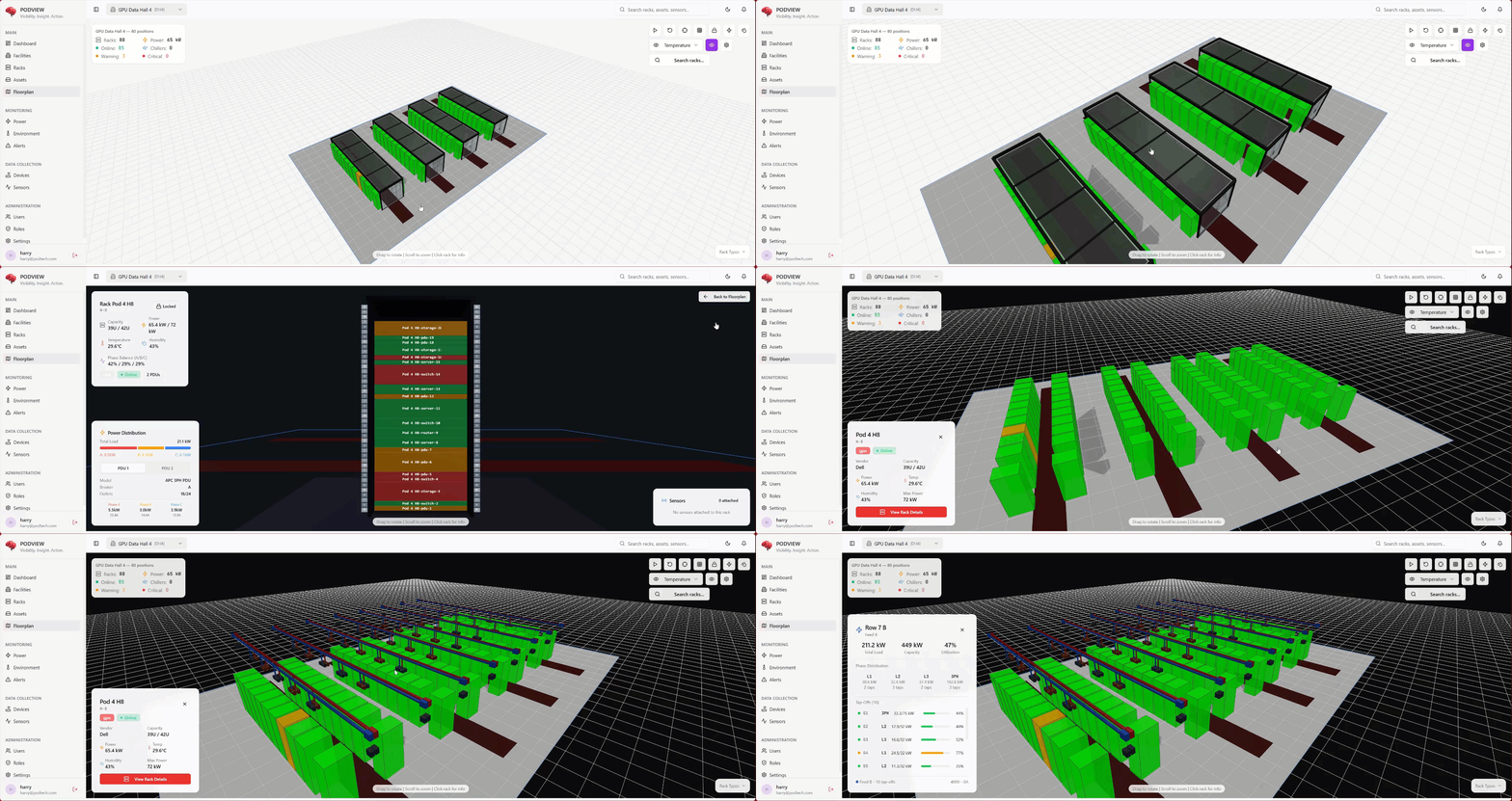
PODView is our industrial AI edge computing platform. It takes every sensor — wired and wireless — and turns the stream into something operations can act on.
Real-Time Dashboards
The whole hall live, then down to a single sensor. Colour-coded heat maps so a problem does not hide in a table.
Historical Trending
Hours, days or months of environmental data. Seasonal patterns, capacity drift, and the slow curve of kit wearing out.
SLA Reporting
Compliance reports without a scramble. Show customers and auditors the conditions held — all year, not on the afternoon of the audit.
Automated Alerting
Thresholds you set, then an escalation chain. Email, SMS, or your ITSM, before the SLA is already breached.
Ready to put sensors on the containment?
No two halls are the same. We will look at your containment and recommend wired, wireless or hybrid — against the facility you have and the SLA you have to keep.
Request a Free Assessment